EV Infrastructure: Challenges and Opportunities Ahead
What's slowing down the EV charging revolution - and how smart solutions can make large-scale adoption faster and more efficient.
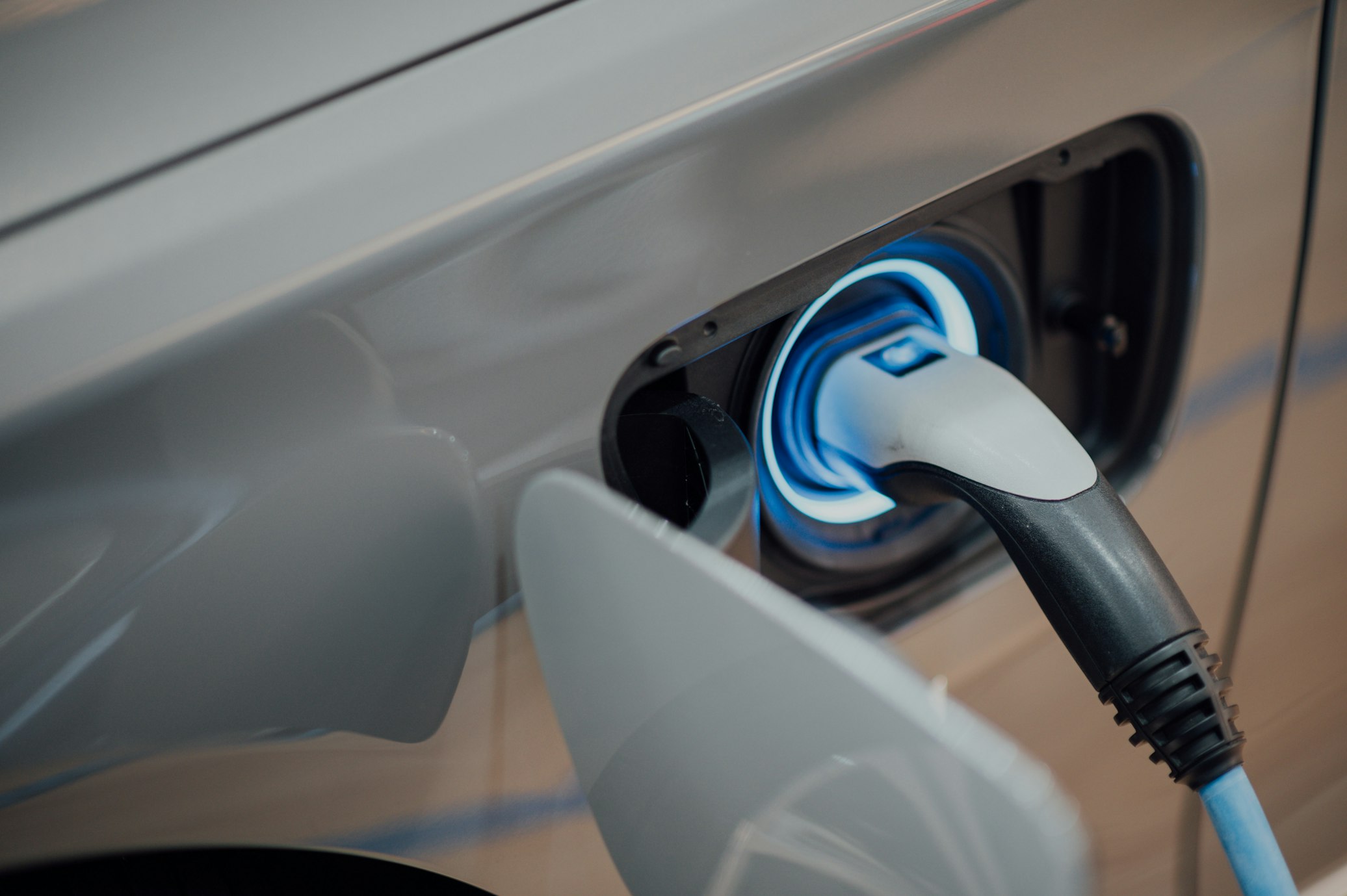
The electric vehicle revolution is here, but infrastructure challenges threaten to slow widespread adoption. From grid capacity constraints to charging speed limitations, the path to ubiquitous EV charging requires innovative solutions and smart technology integration.
The Grid Capacity Challenge
As EV adoption accelerates, the demand on electrical grids intensifies. Fast-charging stations require significant power, and concentrated charging in urban areas can strain local grid infrastructure.
Smart charging solutions that balance load across time and distribute demand intelligently are essential. By integrating with renewable energy sources and battery storage, EV charging can become part of the solution rather than a grid burden.
Speed vs. Accessibility Trade-offs
Consumers demand fast charging comparable to traditional refueling, but ultra-fast charging requires expensive infrastructure and significant electrical capacity. The challenge lies in balancing speed, cost, and accessibility.
Strategic deployment of different charging tiers - from overnight home charging to rapid highway stations - creates a comprehensive network that meets diverse user needs while optimizing infrastructure investment.
"The future of EV infrastructure isn't just about charging faster - it's about charging smarter."
Building the Foundation for Electric Mobility
Solving EV infrastructure challenges requires coordination between utilities, municipalities, technology providers, and vehicle manufacturers. No single entity can build this ecosystem alone.
With intelligent planning, innovative technology, and commitment to smart grid integration, we can build EV infrastructure that accelerates rather than constrains the transition to electric mobility.

Modern EV charging infrastructure designed for urban environments.

Smart charging stations integrated with renewable energy and grid management systems.

How Smart Monitoring Transforms Solar Efficiency
Discover how IoT sensors and data-driven analytics are improving solar performance, reducing downtime, and unlocking higher ROI in renewable projects.

Harnessing Wind Power with Predictive Analytics
How data insights help wind farms detect inefficiencies early, reduce maintenance costs, and extend turbine lifespan.

Integrating AI in Renewable Energy Operations
From predictive maintenance to automated energy forecasting, see how artificial intelligence is reshaping clean power systems.